




Your All-in-One Hiring Tool
The Indian technology sector is massive. From the bustling tech parks of Bangalore to the emerging hubs in Pune and Hyderabad, opportunities seem endless. Yet, for a recent graduate, the door often feels locked. You scan job boards looking for Fresher IT Jobs in India, only to find descriptions asking for years of experience you simply don’t have. It is a frustrating cycle: you need a job to get experience, but you need experience to get the job.
However, the situation is not as hopeless as it appears. Every year, thousands of students and career switchers successfully land IT Jobs for Freshers. They do this not by having a perfect resume filled with past employment, but by proving their potential in other ways. Companies are desperate for talent that is hungry, adaptable, and skilled, regardless of their official work history. This guide will walk you through exactly how to bridge the gap between your education and your first paycheck in the tech industry.
The Reality of the "Experience Paradox"
Before diving into the solution, it is important to understand the problem. The “experience paradox” is the biggest hurdle for new graduates. Recruiters are risk-averse. They want to know that the person they hire can handle the pressure of a real project. When a job description asks for “1-2 years of experience” for a junior role, what they are really asking is: “Can this person code without us holding their hand every step of the way?”
Your goal is to answer “yes” to that question without having a previous employment letter to prove it. This is the core secret of how to get IT job as a fresher in India. You must simulate experience through other means. The market for fresher IT jobs in India is competitive, with lakhs of engineers graduating every year. To stand out, you need to move beyond just having a degree and show that you are job-ready from day one.
Build a Foundation That Can’t Be Ignored
Your degree gets you to the interview door, but your skills get you the seat. University curriculums often lag behind current industry trends. To make yourself a prime candidate for IT jobs in India for freshers, you need to take charge of your own learning.
Master the Fundamentals
Don’t try to learn everything at once. Pick a path. If you want to be a web developer, focus on the MERN stack (MongoDB, Express, React, Node.js). If you are interested in data science, master Python and SQL.
- Programming Languages: Python, Java, and JavaScript are the heavy hitters in the Indian market.
- Databases: Understanding SQL is almost non-negotiable for most backend roles.
- Version Control: Learn Git. Every IT company uses it. Knowing how to push code to GitHub puts you ahead of 50% of other applicants.

Certifications That Matter
While a piece of paper isn’t everything, certifications from recognized providers act as a stamp of approval. They show recruiters that you have disciplined yourself to learn a specific technology.
- Cloud Computing: AWS Certified Cloud Practitioner or Microsoft Azure Fundamentals.
- Google: Google’s Digital Garage or Data Analytics certifications.
- Specialized Platforms: Coursera, Udemy, and edX offer course completion certificates that look good on a fresher's resume.

Network Your Way In
Many of the best jobs are never advertised on Naukri or Indeed. They are filled through referrals. Networking might sound intimidating, but it is just about building professional friendships.
Leverage LinkedIn
Optimize your LinkedIn profile. A profile with a professional photo and a clear headline (e.g., “Aspiring Java Developer | Certified in AWS”) gets more views. But don’t just lurk.
- Connect with intention: Send connection requests to Talent Acquisition (TA) specialists and senior developers in companies you admire.
- Send a personalized note: "Hi, I see you work as a backend dev at [Company]. I’m an aspiring developer learning Java and would love to follow your work."
- Engage: Comment on posts. Share your own learning journey. When people see your name often, they are more likely to refer you when a spot opens up.

Attend Industry Meetups
India has a vibrant tech community. Cities like Bangalore, Delhi-NCR, Chennai, and Mumbai host weekly meetups for tech enthusiasts. Websites like Meetup.com list events for Python developers, AWS user groups, and startup weekends.
Attending these events accomplishes two things. First, you learn about the latest trends. Second, you meet people who are already working. A casual conversation over coffee at a meetup can lead to an interview faster than an online application ever will.
Internships and Volunteering: The "Experience" Substitute
If you cannot land a full-time role immediately, aim for an internship. Internships are the golden ticket for Entry Level IT Jobs in India. They lower the risk for the employer since they are usually short-term and lower-paid, but they give you the crucial “real world” experience you lack.
Where to Find Them
- Internshala: The go-to platform for students in India.
- Jobs.itroSys: Explore a multitude of career opportunities waiting for you to discover.
- LinkedIn Jobs: Filter by "Internship" and "Entry Level."
- AngelList (Wellfound): Excellent for finding roles in startups, which are often more willing to hire based on potential rather than experience.
Volunteer Your Skills
Can’t find a corporate internship? Create your own opportunity. Look for local NGOs, small businesses, or student organizations that need technical help. Does your local grocery store need a basic inventory website? Does a charity need help managing their database?
Doing this work for free counts as professional experience. It shows initiative, problem-solving skills, and the ability to work with a “client.” When an interviewer asks, “What experience do you have?”, you can point to the website you built for a local non-profit that is currently live and being used.
Tailor Your Resume and Cover Letter
The “spray and pray” method—sending the same generic resume to 100 companies—rarely works. Your resume needs to tell a story of a capable self-starter.
The Project-First Resume
Since you lack work history, your “Projects” section should replace the “Experience” section in importance.
- Don't list:"Library Management System" (Every student has this).
- Do list: "Real-time Chat Application using Socket.io and React."
Quantify your results whenever possible. Instead of saying “Created a website,” say “Built a responsive portfolio website that loads in under 2 seconds and achieves a 95/100 Google Lighthouse score.”
The Cover Letter
Use the cover letter to explain why you are applying. Passion can sometimes outweigh experience. If you are applying to a FinTech company, mention your interest in finance and security. Show them you have done your research on the company.
Creating a Digital Portfolio
In the IT world, showing is always better than telling. A portfolio acts as concrete proof of your skills.
GitHub and Stack Overflow
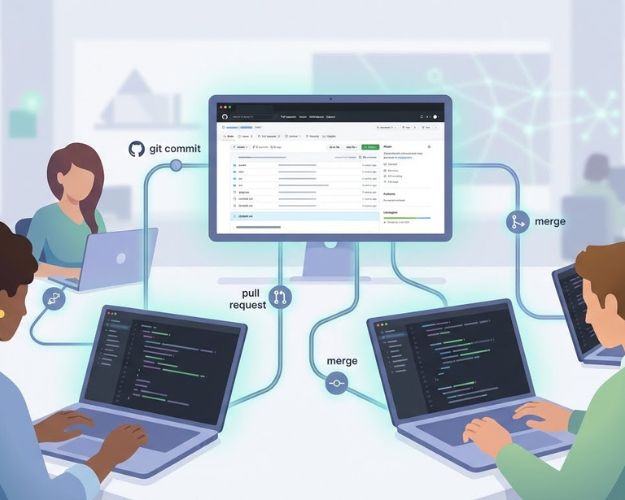
For developers, a GitHub profile is your art gallery. Recruiters look at your “contribution graph” (those green squares). Regular commits show consistency. Make sure your code is clean, commented, and has a “README” file explaining what the project does.
Similarly, an active Stack Overflow profile where you answer questions (even simple ones) shows you are part of the community and like helping others.
A Personal Website
Build a simple personal website. It doesn’t have to be fancy. It should include:
- A brief "About Me."
- Links to your best 3-4 projects.
- A downloadable version of your resume.
- Contact information.

Having a domain name (like yourname.com) adds a level of professionalism that sets you apart from the crowd.
Start Your Journey Today
Finding IT Jobs for Freshers is a job in itself. It requires patience, thick skin, and a willingness to learn continuously. Rejection is part of the process. You might send out fifty applications and hear back from only five. That is normal.
Focus on what you can control: your skills, your network, and your portfolio. The demand for tech talent in India is not slowing down. By positioning yourself not just as a graduate, but as a skilled problem-solver, you will find that the lack of formal experience is a hurdle you can easily jump over. Keep coding, keep connecting, and your break will come.
Click Here